
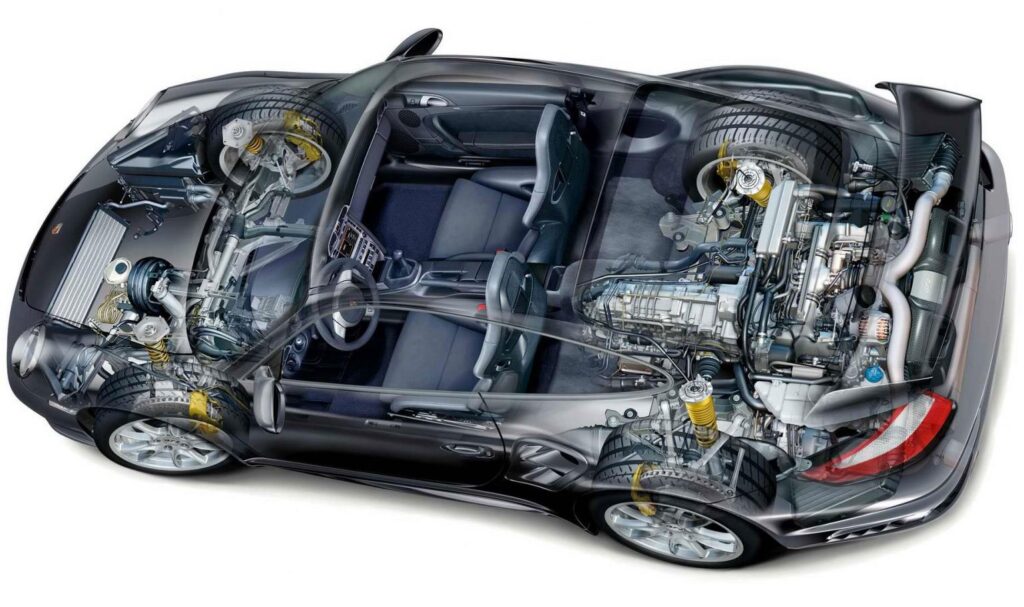
Cars are available for everyone to drive, but knowing how to operate and how to maintain in perfect condition is a completely different matter, and anyway knowing a lot about your car makes you admired among your friends. Here are some basic things about auto maintenance that everyone should know.
HEADLIGHTS AND TAILLIGHTS
Damaged or dimmed bulbs may pose a real safety risk if you do not take care of them in time. You can easily locate the lamp plug under the hood. You should be looking for the three separate wires coming out of the plug. Unscrew the plug and slide it until the bulb pulls out freely. Now you can insert the new bulb into the old position, reconnect the bulb well, and now you can go ahead with your car.
The battery
Know the type of battery suitable for your car through its manual and locate it under the hood in case it runs out. You can save money and time on this simple and important task of figuring out how to replace the battery yourself. To change the battery, you must remove the battery cover and remove the cables from the battery terminals. Then you take out the old battery and put the new one in its place. You should be careful to avoid leaking acid from the battery.
Fan belt
One of the things you should check if you are not running your car is the fan belt. This belt should preferably be changed every 50,000 to 70,000 miles, depending on its model. You can refer to your car’s manual for information on the type of belt, noting that it may break off without warning, leaving your car unable to move.
Fuel
Fuel is one of the most important things in maintaining your car. The gasoline in the fuel tank should not be less than a quarter of its total capacity. Driving with a low level of gasoline causes unnecessary wear on your engine, and choosing the highest possible level of octane will ensure a longer life for your engine.
Coolant / Antifreeze
You will find the coolant / antifreeze hood under the hood with the help of its guide. Although some cars require a mixture of coolant and water, the car’s handbook will tell you which type you should use. Coolant or antifreeze is vital to maintaining a car’s engine, and choosing the wrong type can seriously damage your car.
Tire Pressure
Low tire pressure leads to waste of fuel and premature tire life. Tire pressure must be measured continuously to maintain maximum performance. You can find out the ideal pressure for each tire by specifying the weight in pounds per square inch on each side ( PSI). Keeping your tire pressure checked regularly is one of the easiest things you can do to improve fuel consumption and extend tire life.
Spark Pugs
In general, the spark plug or spark plug should be changed every 30,000 miles, or 48,000 kilometers. You can use your car’s guide to find the location of the spark plugs. You should change one candle at a time with the spark plug piston and latch. During the replacement process, if you do not see any of the plugs blackened or heavy dirt, then it does not need to be replaced.
Brake fluid
You can find a brake fluid cap under the hood of your car. Most brake fluid caps have a small gauge that indicates the minimum and maximum amount of fluid inside the tank. Never let the brake fluid level get too low. It is best to refer to the manual for your vehicle for more specific information on the brake fluid used in your vehicle.
Air Filter
Look under the hood for the air filter, which changes every 12,000 miles or 19,000 kilometers. If the filter becomes clogged and increases the amount of dust inside it, the air flow will decrease, thus drawing from the power of the car engine and increasing fuel consumption. The air filter is usually fixed with metal holders or wing screws under the hood. Pay close attention to its location before you replace it.
Engine Oil
Under the hood, you will find the oil gauge and oil manhole cap, and you can decide what type of oil is needed for your car. The oil not only lubricates and cools the interior of the engine, but it also collects and picks up the dust and pollutants resulting from the combustion process, so it must be changed at regular intervals.
There are no reviews yet. Be the first one to write one.