

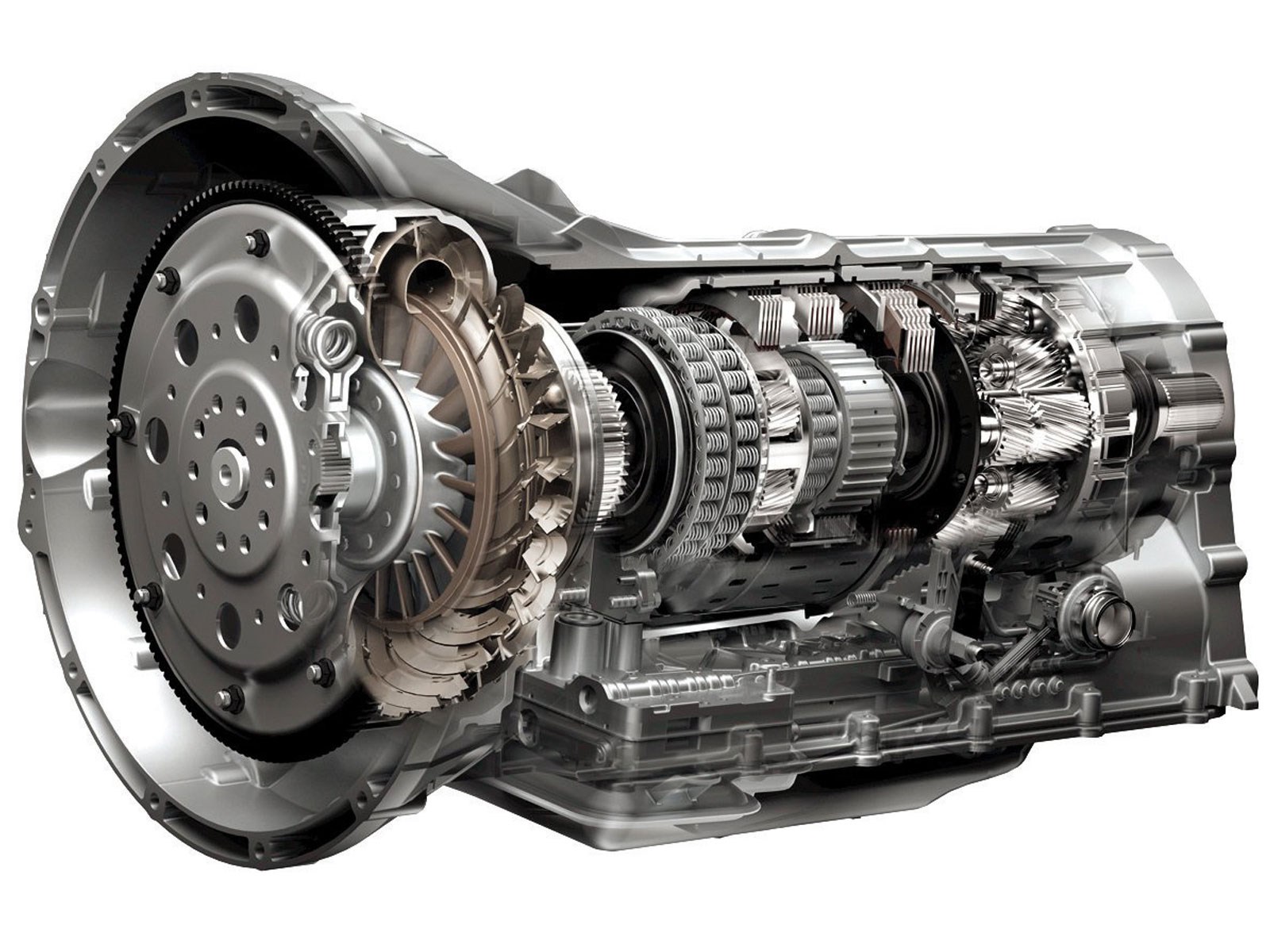
Gear oil is a viscous oil that lubricates the moving internal parts of the gearbox. The gear oil performs a function other than lubrication, which is cooling , as the oil forms a medium that transmits heat resulting from friction.
Different types of oils are used in changing the gear oil. The automatic gearbox uses a specific oil for the automatic gearbox, while the manual gearbox uses several types of oils, such as regular engine oil. The user manual determines the appropriate oil for the gearbox.
When should the gearbox oil be changed?
The maniol valve:-
Most car manufacturers recommend changing the gearbox oil every 30,000 to 60,000 km. Under severe operating conditions, the oil is changed every 15,000 km.
Automatic gearbox: the oil is changed in some cars every 30 thousand kilos, while others do not change it at all, but most automatics have the oil changed every 60 thousand kilos or 100 thousand kilos. Changing the oil every less than this period does not harm the gearbox in anything.
Why should the gear oil be changed?
Manual Elves: –
We change the gear oil not because the oil decomposes and loses its properties, but because of the sediments that form in the oil as a result of the internal friction of the gear parts, which results in atoms of iron that float in the oil during lubrication. The large number of iron atoms and sediments hinder the oil from carrying out the required lubrication process. Therefore, if these mineral deposits are not filtered, this will shorten the life of the maniol filter.
Automatic gearbox:-
We change the gear oil in the automatic gearbox, because the intense heat that exceeds the heat in the manuel gearbox leads to the decomposition of the oil and breaks it and loses the viscosity properties necessary for the lubrication process. The normal temperature in the gearbox during normal driving is up to 77 degrees. Automatic gearbox oil withstands temperature up to 77 degrees and you may not need to change it at all as long as the temperature remains at the same rate, but high temperature leads to burning and oxidation of the oil. As a general rule, an increase in temperature of only 10 degrees will shorten the life of the gearbox in half. The change is also done because the oil contains mineral deposits such as maniol, and these deposits impede the oil from the effective lubrication process. Thus, this leads to the corrosion of the internal parts of the fuse until it stops working.
What will happen if you neglect to change the gearbox oil?
If the gearbox oil is not changed on time, as recommended by the car manufacturer, the life of the gearbox will be shortened, and you find yourself paying a thousand to change the gearbox in your car, because repair often does not lead to good results in all cases, especially if the damage is significant to the internal parts of the gearbox. If the oil is changed on time it is a good investment.
You can read the owner’s manual for your car here
How do I take care of the gearbox between oil changes?
You should check the oil level in the gearbox every once in a while because it is wrong to drive your car and the oil level in the gearbox is less than required. When the oil level is low, you may find it difficult to move the gearbox, or you may not even be able to move the gearbox at all. The low level of the oil inside the gearbox also leads to rapid wear of the internal parts of the gearbox. Unfortunately, you may not hear a sound indicating a low oil level. Therefore, if a problem occurs in the gearbox, then I know that this problem did not occur suddenly, but it is the result of months of a low level of the gearbox oil, eroding the internal parts and high temperatures inside the gearbox…
Important notes:-
1-Note that gear oil does not evaporate like engine oil. Therefore, if you find that the level of the gearbox oil is less than what is required, then know that you have a leak, and you must know the cause of this leak and treat it. Gear oil is not supplied but is changed.
2- When you change the oil, in fact, you do not change the gear oil completely, because a third of the oil remains stuck on the internal parts of the gearbox. It is wrong to use oil other than the type used in the gearbox. The difference in the type of oil does not lead to homogeneity between the remains of the old oil and the new oil, so a separation occurs between them and the new oil does not fully lubricate the gears. This may be the reason for many fear when changing the oil, as using the wrong oil leads to the fact that the valve will break after changing the oil by a number of meters. So be careful to know the type recommended by the manufacturer. If you do not know, then filtering the oil from the sediment and returning it to the gearbox is the best solution.
3- The oil percentage does not exceed the permissible limit because the increase in oil in the gearbox leads to the occurrence of foam in the gearbox and therefore you find that the transportation process has become difficult and in the long run damage to the internal parts occurs.
4- The oil level is measured after the oil has warmed up a little, so the oil is measured after the motor rotates for a while, the car is driven, and the gearbox is moved in a number of positions. But during the measurement the motor is in the off position.
5- The gear oil filter is usually changed when changing the gear oil.
Automatic gearbox oil level gauge:
Very simple and without complication, there are two levels to measure the level of the automatic oil, the oil is hot and the second level and the oil is cold. I mean, we can say the first when we go around
the car . Of course, the car must be at a horizontal level, meaning you are not at the beginning, and there is no house. You turn the Arab and make changes 1 2 LRN means some shifts to the extent that the oil runs in all the gears, and then you answer the N position and after that you look at the size and wipe it and then you put it in its place again and raise it and take the level (whether cold or hot) and measure at the appropriate level in case The oil is hot or cold.
There are no reviews yet. Be the first one to write one.