
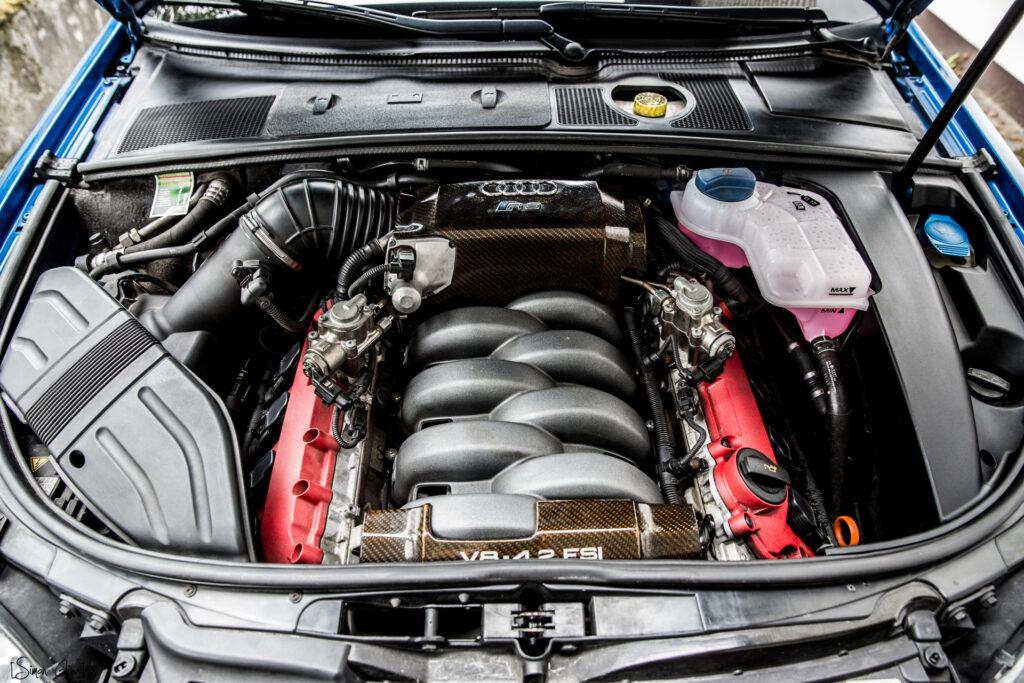

There are four things an engine needs to generate power and demonstrate its efficiency, and almost any engine problem may have one of these four causes. Let us explain all of these reasons separately and is air, fuel, piston, spark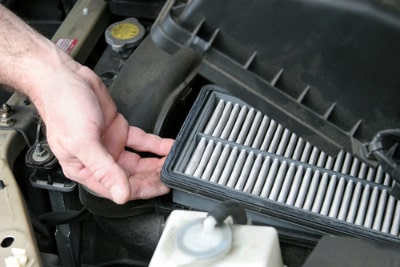
Air Flow
Air filter
Fortunately, its solution is easy. Air filters (filters) can be obtained from any car store. They are considered simple and cheap, and therefore it is very important to clean and replace them if any blockage occurs. Once the air filter is clogged,
the engine power becomes weaker, as it needs Air pull. Less air means less drag.
Exhaust (exhaust)
what goes in must come out. The lower the air flow level, the lower the engine’s performance. For the engine to work and increase the suction power, the exhaust gases must be expelled, as they are a mixture of air and burning fuel or fuel additives as a result of the reaction.
One of the reasons for the lack of air flow is the formation and accumulation of deposits over time and also problems with the internal muffler, whether it is from rust or other factors, as well as modifications to the internal pipes can lead to a decrease in the air flow from the exhaust.
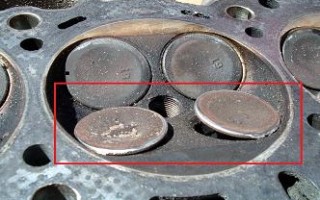
Damage to valves and accessories
This is especially true of engines without automatic tuning. Over time the valve
actuator may wear out, but changing the engine oil regularly can extend the life of the valves. It is related to the airflow in the engine.

Fuel
Anything that prevents fuel from entering the engine cylinder may cause a loss of power and traction.
Fuel injectors
Clogged injectors cause a series of problems, over time deposits build up due to heat absorption or due to poor fuel. Small deposits can make oxygen sensors operate less efficiently, causing more fuel to be used to compensate for the shortfall.
Fuel pumps
Over time, the fuel pump wears out. It may still be able to function poorly, but it may not necessarily fail disastrously. While you may still be able to Saving fuel at lower pressures, you may begin to struggle to pump the necessary fuel at higher pressures or for longer periods. If your car is losing traction during acceleration or hard travel, or if you feel some chopping, it could be the result of a worn out fuel pump.

Compression
For old engines, maintaining pressure is a big challenge. Compression-related issues are often a major factor contributing to a loss of engine traction, and repairs are not as easy as some other issues, simply because metal components can wear out over time.
There are several other ways an engine can lose pressure. Piston Rings Damage One of the main things that can wear out over time is the piston rings, and this may allow pressure to leak, some of the fuel and pressure will pass from the pistons along the cylinder walls to the crankshaft. This can cause a loss of engine pull, and some air can leak through the intake stroke. When compressed after the combustion process, the oil will be contaminated with some of the by-products of the combustion process inside the crankshaft housing. Carbon deposits on valve seats / intake valve
If carbon deposits build up on the valves, it may prevent the valves from closing properly. If the inlet valve is not completely closed, it will allow air to escape during the compression process and lead to a pressure drop. It can also adversely affect fuel and air during the combustion process. Exhaust valves not closed will cause a drop in pressure.

Spark Plugs
If deposits build up on the piston or cylinder walls, it can produce hot spots. It can lead to engine knocking if conditions permit. If the engine is efficient, the ignition timing will be delayed to reduce the possibility of knocking, and you will lose the engine’s drag.
Contaminated spark plugs
Spark plugs can form deposits over time. Spark asymmetry of the spark plugs It is possible that there is a malfunction in the burning process. Keeping the spark plugs clean is part of the equation so you don’t lose engine thrust.

Change the oil regularly
good maintenance. Friction is not a big concern. If you leave the oil to become a sticky substance, small deposits of oil viscosity are more difficult to pump and reduce proper oil flow throughout the system. Without the proper oil flow, components wear out much faster and you will have to work more to overcome the friction. More friction increases wear and loses traction.
The best thing you can do to prevent a loss of engine traction over time is to properly maintain your vehicle. No matter that losing traction is inevitable because nothing lasts forever.
There are no reviews yet. Be the first one to write one.