

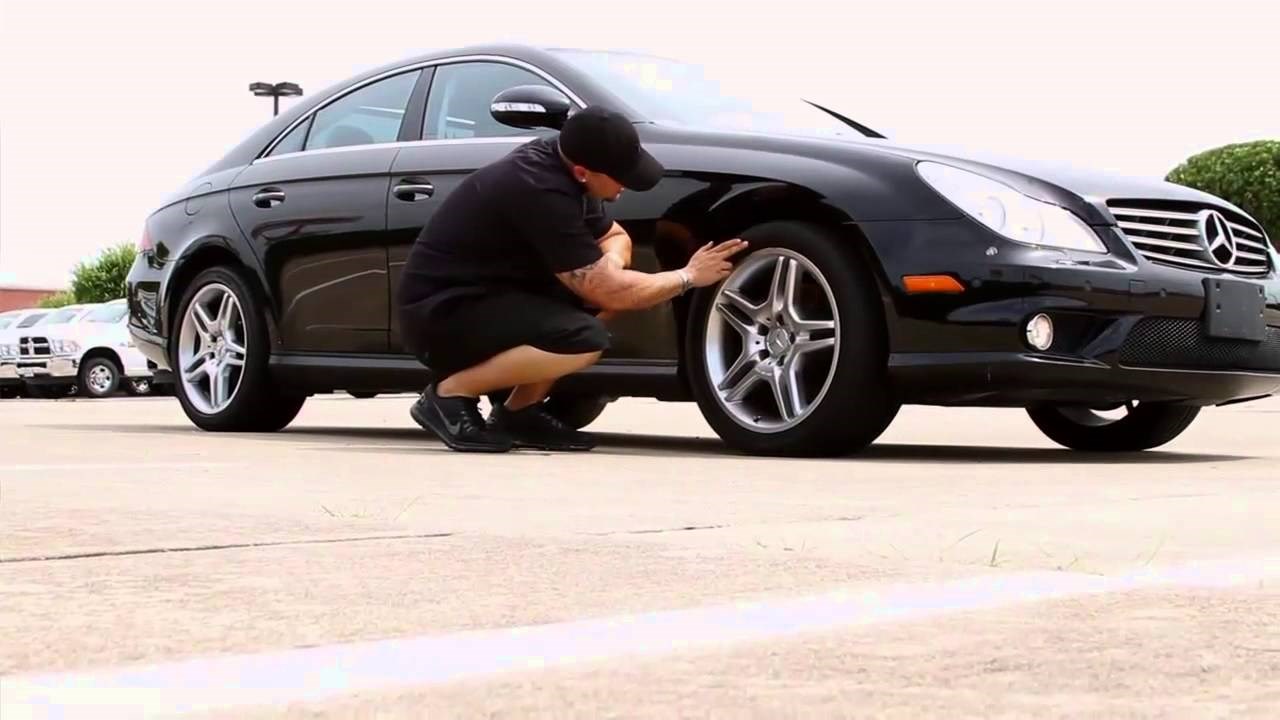
Buying a used car is a difficult and cumbersome process, besides the many deceptions you may be exposed to as it may have some hidden defects. We hope that you will find in this guide steps that will help you identify the signs of potential problems and make more informed decisions when inspecting a used car.
Before finalizing the agreement, take the vehicle for an inspection by a more knowledgeable mechanic, as there are many things that can be properly checked when the vehicle is only lifted.
• What to look for in a used car
• Research known problems and industry defects
• What you might need when inspecting a used car
• Step one: a quick glimpse
• The exterior
• Check the windshield
• Check body parts
• Tires
• Check vehicle data
• Saloon Interior
• Electrical Features
• Heater and Air Conditioning
• Signs of Damage from Flood or Rain
• Engine
• Automatic
Transmission
• Manual Transmission • Driving
What to look for in a used car
When checking out a used car, you should look for two things: signs of major problems that should make you avoid the car and also minor problems that need attention or that you can use in negotiating the price later. If there is any evidence of a major problem with a vehicle, there is no need to complete the check and look for the next vehicle.
Major problems and damages include rust, potential problems with the engine and transmission, previous serious accidents, damage from floods and torrential rains and signs that the vehicle has been abused or neglected by previous owners. Minor issues that can be easily fixed, including worn tires, minor suspension and brake issues, as well as defects such as dents, light bumps, etc.
Find common problems for this type of car
Almost any car has some common problems or weaknesses for this model.
With the presence of the Internet, after a little research, you can learn about industry defects and known problems for the car that interests you. At Mallaky.com you will find many car reviews in addition to the opinion and feedback of car owners and once you know the common problems, you will have a much better idea what you are looking for. This will also help to avoid cars with “trouble”.
What you may need when checking out a used car
You need something to take notes and a flashlight but with the technology available, a smartphone with a camera and a built-in flashlight will work just fine. If you have a small magnet, it may be helpful in detecting repaired rust spots. You also need a tissue to check engine oil and other oils. What is most important, you need a more knowledgeable friend who can help you weigh the pros and cons and make an informed decision.
The first step: a quick overview
And during this quick look, you want to know if it is worth or should you look for another car? Quickly start walking around the car and looking at it from afar. Look for major rust spots such as these should tell you to avoid this vehicle.
Check the interior. How do the steering wheel, driver’s seat and interior door handle appearance also have any odors? Tobacco and other strong odors are difficult to get rid of, especially if the brushes are cloth.
The easiest way to detect engine problems is to run it cold; Is there any smoke from the exhaust? Did the engine run smoothly or with difficulty, and did you hear a loud sound when starting? If the engine is running hard or making a loud noise when starting, or if there is blue smoke or white smoke, avoid the vehicle. The motor should run easily and smoothly.
External body It is
difficult to inspect the car if it is parked in a garage; Or at night so you can improve your access to all parts. You should look at the car from a distance; This method is the easiest to notice the presence of differences in color. It is a confirmed evidence of the car’s exposure to accidents and also evidence of the poor quality of repair.
Check the windshield windshield
Look carefully at the windshield. Note any breakages, dents, or other damages. Some cracks and cracks, and if they are big enough, will cost you the price of replacing the windshield and in some car brands it is very expensive.
Body Inspect
Look at the reflection of light from the car paint; It is easy to notice the paint and unevenness that could be potential clues to repairing or masking defects
in this car.
Rusted spot
We recommend avoiding rust- prone cars, as rust can only be fixed temporarily. If you suspect to repair rust, place your magnet in the suspicious area, if there is no metal under the paint, the magnet will not catch.
Open and close all doors; They should open and close easily. Also note the door skins, if they are worn, then this is a sign of great consumption or neglect of the owner.
Tire Inspection Car Tires
Inspection of tires. Does it look worn? Are there cuts, balloons, or other damages like this in the picture? These tires will need to be retreaded.
Is the tire brand reputable? All four tires must be of the same brand.
Do the tires appear to be worn unevenly (eg more on the inside)? This indicates problems in the luggage or adjust the corners.
Tires with balloons or bulges cannot be repaired and are not safe to drive

Check the interior,
make sure that all the car keys are working, the car can have more than two keys, you have to make sure that they work normally,
check the integrity of the seats, and look for signs of burns or cuts and other damages. Minor damage can be repaired, ask if the car owner can do the repairs. Check the condition of the seat belts.
The rear space is another part that often has problems with older cars. You have to test all wipers and sprinklers.
Check electric windows, locks and other accessories
You should test electric windows, locks and mirrors. In some cars, the electric windows slide down easily, but they rise too slowly, too slowly, or to be crooked.
Make sure seat heaters problems are very common and repairing them can be very expensive.
Check all controls, including the audio system. If the car has a CD player or AUX/USB, check if it works.
Check the functions of the conditioner, heater and air
make sure that the air conditioner tester; A/C is a common problem in used cars.
The air flow should be good from the ventilation holes and you should feel the cool air at all fan speeds.
Don’t be convinced if the seller tells you that the air conditioner works but needs to charge Freon only, ask him to charge it if!!!
If the car has a rear A/C heater/AC, make sure everything works there too.
See the manufacturer’s VIN label
. You can usually find it on the driver’s door or on the doorpost. Check the engine number, chassis number, date of manufacture, car color and specifications, as you can find evidence of theft of the car or the difference in its data, which will expose you to trouble later.
Looking for signs of flood damage or a flooded car is
common these days. If a car has been flooded, it is more prone to electrical problems in the future. Modern cars have many electronic components under the carpet, which can be damaged if submerged under water.
Check the spare tire
Check if the vehicle has the tire and gear. Also, if there is a lock on the rims or wheels installed, make sure there is a key for the locks.
Visual inspection under the hood
Before checking for anything under the hood, the engine must be turned off. A quick look under the hood can say a lot about the car. What to look for:
• Leak
• Smell of burning fuel or antifreeze
• Anything that suggests a vehicle is not regularly serviced
• Signs of poor quality repairs
• Modifications indicating that the vehicle has been raced or abused
Note that if the vehicle is It looks clean and shiny under the hood, it means there could be potential for any leaks or other problems. Many dealers wash the engine before selling.
Coolant leak
Simple leaks are common, especially in cars that cut many kilometers, but it will be better for you to buy a car without any minor problems, in addition to that leakage, especially coolant, may be a sign of bigger problems.
Any engine or transmission oil leaks could be a sign of other problems.
Corroded car battery terminal
Corroded car battery terminal Corroded battery or its poles not only indicates that this car needs a new battery and perhaps a new battery cable, and this suggests that this car may not have been serviced and maintained regularly.
The absence of some Missing engine mount nuts and bolts
This is evidence that the vehicle has been repaired by non-professionals
Engine oil on the dipstick
If you are uncomfortable with these tests, leave them to your mechanic. Make sure to stop the engine, pull the oil dipstick and check the oil level and shape. If the oil is very dirty or the oil level is very low, it means that the engine is consuming oil, or it has not been serviced. Check the condition of the gauge itself; If it is covered with black deposits, it is also a sign of poor maintenance. Also, unscrew the oil filler cap and use your headlight. If the internal parts of the engine that you can see are covered with thick black deposits, it is also an indication of a weak engine condition.
Check the transmission oil for a better view, drop some fluid on a white paper towel. The transmission oil should be clean and transparent. If it is very dirty or has a burning smell, it is a sign that the oil has not been changed for a long time or that the inner gears of the gearbox have worn out.
Driving test
Before the test drive, check the car’s ownership papers, adjust the seat and mirrors, and familiarize yourself with the controls. The longer you drive and varies between different speeds, the greater the chance of identifying many problems. Most of the problems begin to appear after heating the car for 20 minutes of driving, such as the engine overheating.
There are some problems such as wheel wear, angle adjustment, stacking and tires that appear at high speeds only. Steering wheel, gearbox and suspension problems are easier to spot when driving at a slow speed on off-road or bumpy roads.
Car in a parked state:
Shift the transmission from a parking position to a gear position, there is a long delay before you feel the transmission working? (The car must move quietly immediately if you take your foot off the brake)
Move the gear stick from movement to reverse Do you feel a strong tremor or tremor (the gear bases need to be changed or a problem with the gear itself)
Do you feel excessive engine vibration? (Engine rules need to be changed)
In the city:
Did you notice any vibration or chopping during acceleration?
Should the engine feel smooth and responsive quickly, or should it be sluggish and “annoying”?
Is there smoke?
Is there any noise or vibration in acceleration or deceleration?
Did you notice clicking noises or appearing when accelerating? (Problems with the steering wheel or shears)
Do the transmissions shift smoothly in acceleration and deceleration or do you feel high?
Any orgasms when you come to a complete stop?
At a complete stop, is the engine rpm or hopping up and down? (Idle sensor problem)
Is the car running in a straight line well, or does it turn to one side or the other when pressing the brakes? (barrel problems)
On the highway: is
it going straight or veering in a certain direction? (Angle Adjustment)
Do you feel vibration at higher speeds? (Wheel and tire problems)
Any hums or noises?
Are there strange noises when accelerating or decelerating? (When shifting gears, CWD operation, braking, etc.)
Is there steering wheel vibration during braking? (The brakes are deformed or the drums are invalid)
Is the cruise control working?
There are no reviews yet. Be the first one to write one.