

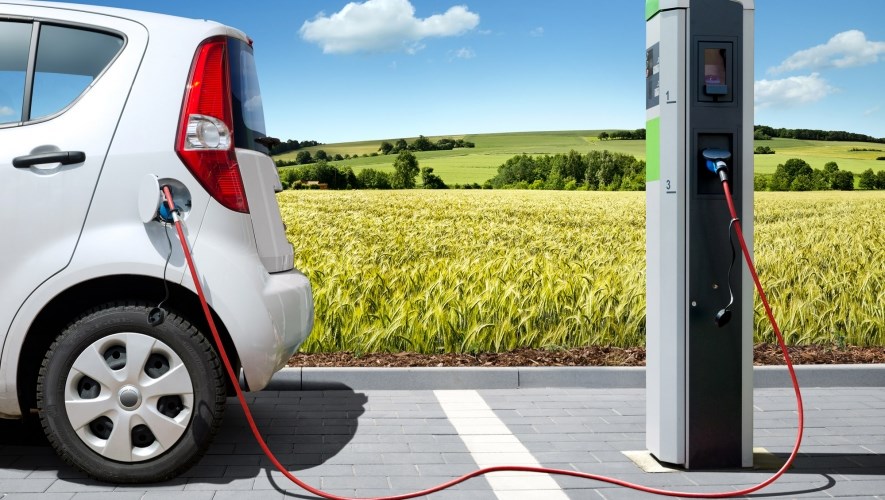
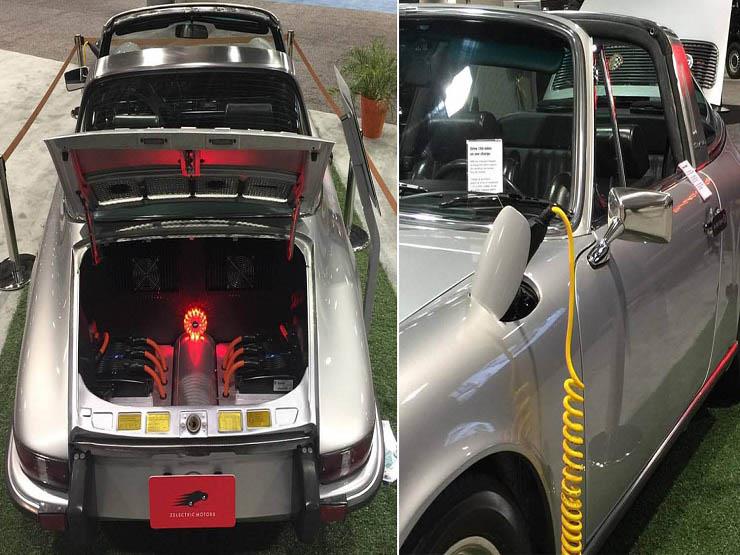
Due to the large increase witnessed by gasoline today and fuels in general, and in light of the increase in the number of electric cars, which are considered environmentally friendly cars because of their many advantages, it is possible to convert a gasoline-powered car into an electric car.
Steps to convert gasoline cars into electric
cars Gasoline-powered cars into electric cars were as follows:
- Everything related to the gasoline engine must be removed from the car from the tank, exhaust, filters, motor and other things.
- During the conversion process is the use of engine DC regulator DC also, how much effort you are working with the car is usually between 96 volts and 192 volts, where the voltage ranges from which to determine the batteries you will need the car as well as the type of regulator and the engine.
- There are several types of batteries, including VRLA gel batteries that contain a gel that dissolves electrolyte and its valve is safe to relieve pressure and does not need to supply water to the cells, and there are also lithium ion batteries, the best choice for electric cars, despite their high price, but it dispenses with the use of up to 12 gel batteries Heavy weight, as lithium batteries are available in different sizes and weights according to what your car needs, and there are also AGM lead acid batteries that do not need maintenance and follow-up, but will require fast and reliable charging in the absence of original lithium batteries at an affordable price.
- The weight of the car must be less than 910 kg, as heavy cars need more energy to be pushed, which reduces the time the battery needs between one charge and another.
- The shifting process requires an electric motor to reduce engine vibration while driving at high and low speeds.
- Ensure the safety of the gearbox, which is used to deliver power from the car’s electric motor to the car wheels.
- The electric motor is placed in the front of the car and the control unit or regulator is installed, which regulates the speed and power between the engine and the battery.
- The battery is fixed by the mounting brackets and it is best to place it upside down on one side for proper operation.
- The motor and battery are connected to the control unit through type 0 or EV00 gauge cables .
- Prepare a transfer plate that has holes for the transmission and electric motor to be placed with the screws of the gearbox and the engine, where the plate is made of aluminum and a piece of cardboard is used to draw the holes for the screws of the electric motor on one side and draw holes for the transmission on the other side, the holes are made precisely for their alignment center of the transmission shaft and engine crankshaft.
- Follow the regulator manufacturer’s instructions for connecting the batteries to the motor and regulator with heavy gauge cables.
- Knowing how to install is one of the most important elements during the conversion process, and connecting the cable to the accelerator pedal with the pedometer until it gives a signal to increase the speed.
- The accelerator cable is connected to the pedometer connected to the control unit to signal the vehicle’s acceleration.
- When the vehicle is started, the wiring and fuse box are connected to the vehicle’s electrical system so that the contact switch activates the engine.
There are no reviews yet. Be the first one to write one.