
, New Technology:
2-
Spiral Cell Battery- Spiral-wand (AGM)
With the tremendous development in automobile technology and its parts, it still depends on battery technology that has not developed over seventy years or more.
Battery basics:
There are four technologies used in car batteries today: traditional flat plate (flooded), gel cell, flat-plate absorbent glass mat (AGM) and Spiralcell (spiral) technology. -wound AGM).
Chemical reactions in conventional flat plate batteries occur from the plates suspended from the top reacting with the liquid electrolyte (acid). Since it is the most common in the market, this type of battery is available in all markets in different sizes and sizes, and it is the cheapest. Among the disadvantages of these batteries: that the lead plates are added to some materials to facilitate the process of fixing them to the plates. These additives accelerate the corrosion process of the panels, thus reducing the service life of the battery. Also, most batteries of this type require regular maintenance, such as adding distilled water.
As for the gel cell technology, it is similar to submerged plates but silica was added to the battery solution (electrolyte) which reduced the movement of the acid and made it less likely to spill. Among the disadvantages of these batteries is that they need a special charger where the amount of charging voltage must be controlled so that the charging voltage is not high and the charging rate is slow, in addition to the high cost of the gel technology. It is subject to overcharging.
The presence of the aforementioned defects in addition to self-discharge, battery liquid spillage, gases exit during the reaction, and battery failure as a result of vibrations that cause the effective material to fall from the plates. The technology of flat plates with a glass-filled liquid-absorbing battery has been developed. This technology applies a glass insert that absorbs battery fluid and prevents it from spilling. This battery is more tolerant of vibrations, does not cause any spillage, and does not require maintenance. The disadvantage is that not all sizes required for use are available.
Rolled cylindrical cell technology is similar to the flat plate technology with an absorbent glass filling but the lead plates and absorbent glass are rolled into a cylindrical shape and placed in an airtight container with six cylinders connected from the outside. Each cylinder is spun and then placed in an external knitted container, thus preventing any spillage of battery fluid and providing a high resistance to vibration. In addition, this technology allowed the use of 99.9 percent pure lead while greatly reducing the amount of additives, which led to reduced corrosion and increased the service life of that battery twice as compared to the battery with other technologies.
The coiled cell battery technology has the following advantages:
– It has a higher number of charge and discharge cycles without capacity loss compared to other batteries.
Low self-discharge. The car can be left idle for a long time without a noticeable drop in the battery charge.
– Operating life twice as long as normal batteries
– Withstands vibrations 15 times more than normal batteries
– The battery can be operated in a tilted position and not horizontal like normal batteries
– There is no possibility of battery fluid spilling even in the case of a battery crack
– No battery maintenance (zero maintenance)

The interior of a coiled-cell battery assembly
 |  |  |
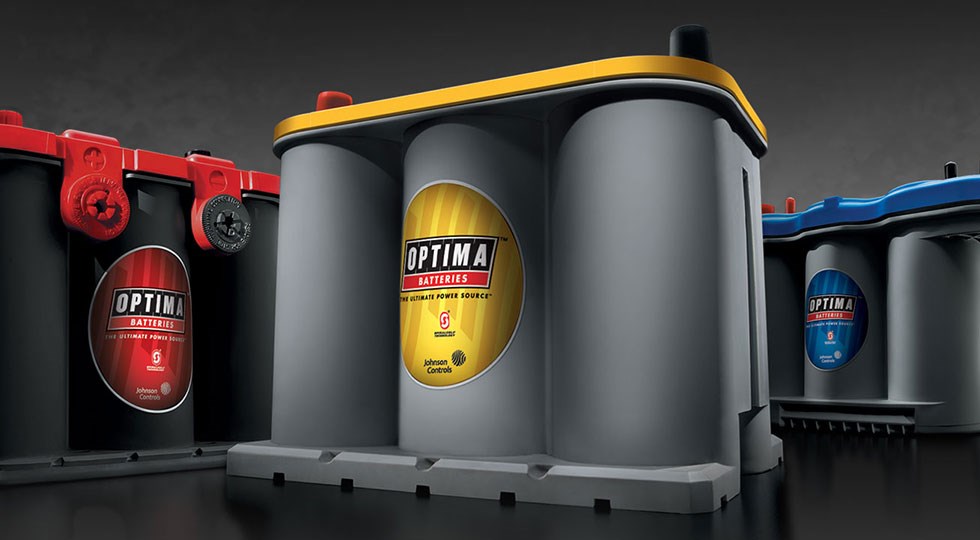
Different types of coiled cylindrical cell battery

The battery withstands 15 times the vibrations that a normal battery can experience

Battery life is nearly twice that of a normal battery

The battery can be operated in an inclined position without problems
There are no reviews yet. Be the first one to write one.