

While cars are not the most widely used form of transportation, there are plenty of simple steps you can take to reduce your car’s impact on the environment. You can start by following these tips.
Carry out regular maintenance
- When it comes to car maintenance, small repairs can make a big difference. The more efficient your vehicle is to operate, the less fuel it will consume and the lower its environmental impact.
- When filling your tank, stop when you hear the first click of the pump because this click indicates the optimum level of the tank.
- Regular tire pressure measurement, driving on low-pressure tires can increase fuel consumption by as much as 15% of the tire’s life.
- Change the car oil every 5,000 or 7,000 km if you frequently travel less than 10 km, if you drive in the city and stop and start a lot at traffic lights, if you regularly carry heavy loads, or if you drive in dusty weather and sand.
- Have your car’s wipers checked and replaced if the rubber wears out.
Change your car oil
Even if you don’t use your car often you should change the oil in your car at least every 10,000 to 12,000 kilometers, or once a year Here’s what to do with used oil.
- When you fill in your car’s oil, place a container under the engine to hold the drips and immediately clean any stains with a damp cloth.
- If you change the oil yourself, dispose of it properly. Put the used oil in a safe container. Do not pour it down the drain.
Wash your car
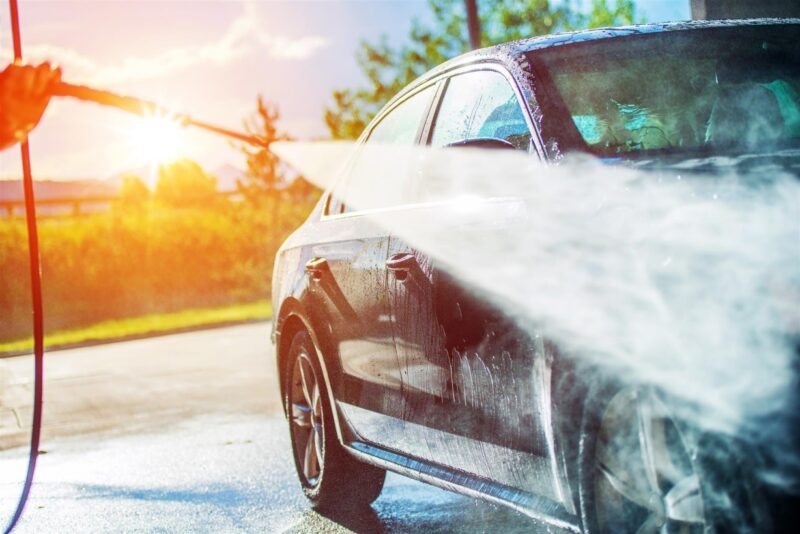
- Avoid washing your car on the road with a hose because it wastes water and allows dirt, grease and detergents to drain into the drains. Instead, place it in a grassy area during washing to reduce water run-off.
- Use a sponge and a bucket. It takes a little longer than using a hose, but it saves water.
- Wash your car in the shade, as this will slow evaporation, which in turn will help conserve water and avoid staining while the car is drying.
- A chamois and vigorous scrub is the best way to achieve a streak-free finish.
- If you don’t want to clean your car yourself, take it to the car wash. You will probably use less water than using a hose and the oil will be diverted from your car to the sewer, not to the drain.
Make your own cleaning
products Eco-friendly car cleaning products are easy and inexpensive to make at home.
Car Wax: Wax forms a protective layer between your car’s paint and corrosive pollutants emitted from other cars and road grime.
250 milliliters (1 cup) linseed oil
60 milliliters (4 tablespoons) carnauba wax
30 milliliters (1 tablespoon) beeswax
125 milliliters (1/2 cup) vinegar
Put ingredients in a saucepan or in a double boiler and heat slowly, stirring gently, until Wax melts. Pour the mixture into a heat-resistant container. Once the wax is hard, rub it on your car with a lint-free cloth using a quick side-to-side motion without undue pressure to finish the cleaning process. Dampen a cloth with a little vinegar and wipe the wax with it for a rich shine.
There are no reviews yet. Be the first one to write one.