

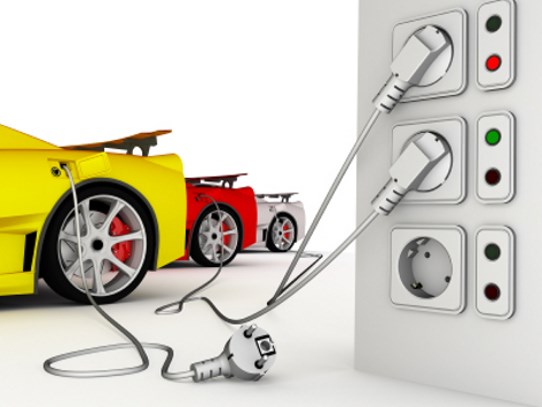
Alternative fuel cars are cars that run on fuels other than traditional fuels (petroleum fuels – gasoline and diesel). Due to the combination of several factors, such as concern for the environment, and the high price of oil, the search for clean alternative fuels and the development of advanced car systems have been a priority for many governments and car manufacturers around the world.
Hydrogen and Fuel-cell Vehicles:
A fuel cell is an electro-chemical unit fed with hydrogen, which produces electricity to operate the electric motor of an electric vehicle. Its main advantage is that it is twice as efficient as an internal combustion engine in converting energy into power, and it does so without a combustion process. The emission from the exhaust is heat and water vapor only, without the gases that make up the greenhouse effect.
Hydrogen refueling and filling stations are very expensive (more than half a million dollars), so setting up stations nationwide is a very risky and costly process.
Manufacturers are currently in the process of overcoming the engineering problems of the fuel cell such as: the need for 2-30 seconds of lighting time for the unit to generate maximum power. Exposing the car to low air temperatures (below freezing) while stopped poses another problem (as ionized water in the cell membrane turns into ice. The
broad picture of hydrogen’s long-term success in reducing greenhouse gases depends largely on the energy source used to produce hydrogen in the car. First of all
, unlike the hydrogen fuel cell, internal combustion engines that run on hydrogen gas are easy to start in all weather conditions and do not need time to warm up.
The hydrogen storage system varies in several forms:
– liquefied hydrogen
– fuel storage cells
– compressed hydrogen gas under pressure of about 340 atmospheric pressure.
Hydrogen-driven cars need a different design to suit the complexities of the hydrogen storage and handling system in the car.
However, the costs of extracting hydrogen from hydrocarbon fuel derivatives such as natural gas and gasoline still require a large amount of energy, and the hydrogen extraction process will lead to the emission of carbon dioxide gases that pollute the environment in a large way.
It is expected that hydrogen-powered cars will be economically produced in large numbers in 2020.
Battery-powered Electric Vehicles:
Advantages: There are no harmful pollutants, require maintenance and low operating costs.
Disadvantages: Expensive, and the car’s battery travels 120 miles (about 200 km) before it needs to be charged again. The charging time takes 4 to 8 hours to complete the charging process. The price of the battery is also high if it needs to be replaced after several years of operation.
Ethanol/Methanol Vehicles:
There are two types of alcohol (ethonol and methonol) used in cars as an alternative fuel in gasoline engines in use today, using slight modifications. Ethonol is a high octane liquid fuel extracted from corn and various grains as well as from organic waste. Methonol is a liquid fuel that is extracted from natural gas in most cases, but can be extracted from coal and organic waste. The combustion waste (exhaust) comes out about half of the smog produced from the exhaust of a similar gasoline car. These two fuels contain less energy than the same amount of gasoline. These, in turn, lead to reduced mileage for the same amount of fuel. To overcome this, the makers of multi-fuel vehicles (FFV’s-flexible-fuel vehicles) work with a larger fuel tank.
For engine fuels, ethonol and methanol are mixed with 15% gasoline, forming what is known as E85 and M85, respectively. The addition of this small percentage of gasoline is intended to overcome the difficulty of starting management of alcohol fuel and also in terms of safety, 100% alcohol burns without a visible flame.
Natural Gas Vehicles:
For all the different types of alternative fuels used in cars and trucks, natural gas, whether CNG- compressed natural gas or LNG- liquefied natural gas, provides the largest reduction in pollutants compared to gasoline.
Cars that run on compressed natural gas only have a short range of 120 to 200 miles compared to petrol cars. Gas-powered cars are more expensive than gasoline cars by about $4,000 to $5,000. Gasoline-powered cars can be modified to match natural gas cars, at an estimated cost of $2,000 to $6,000.
Propane Vehicles:
Known as (LPG-liquefied petroleum gas). Propane gas is considered as a fuel in the third place after gasoline and diesel. Some light trucks are designed to run on propane gas only and there are trucks running on a dual-fuel model that can run on propane or gasoline.
P-series fuel cars:
It is a mixture of liquefied natural gas, ethonol and other organic compounds. The fuel is colorless, and its octane number is between 89-93, and it can be used in multi-fuel cars (FFV’s) and this fuel can be used without additives or added to gasoline in any percentage inside the multi-fuel vehicle’s fuel tank. This fuel is not widely available and is of limited use at the present time.
Biodiesel vehicles:
Biodiesel is made from new and used vegetable oils, animal fats, fats and greases from restaurants. It leads to the reduction of pollution such as carbon dioxide, carbon atoms, carbon monoxide, hydrocarbons, and sulfur oxides. 20% biodiesel can be added to 80% petroleum diesel to form a fuel called B20 that can be used in unmodified diesel engines. However, users should consult the engine manufacturers and also read the engine warranty terms before using B20 fuel in their engines. It is also possible to use pure biodiesel fuel without adding it to petroleum diesel, and it is called here B100 (B100), but it needs to be modified in the engine so as not to lead to troubles in operation and maintenance.
Advantages of using Biodiesel:
– Reducing dependence on petroleum products and importing petroleum.
– Reduces pollution, especially carbon dioxide. Fuel (B100) reduces carbon dioxide in the exhaust by 75%, and fuel (B20) reduces carbon dioxide by 15%.
– Contributes to the recycling of the use of vegetable and animal fats and fats
– Safer in use, handling and storage as the flash point is at 150 ° C compared to 77 ° C for petroleum diesel (conventional).
Disadvantages of using biodiesel:
– Increases the percentage of nitrogen oxides in the exhaust.
Affects the rubber parts of the engine, such as the clutches and interlocks.
Converting traditional cars to alternative fuel cars:
Cars that use conventional fuels can be converted into cars that run on alternative fuels. But this must be done by a certain supervision to take a permit and ensure the security and safety of the vehicle and passengers. There are many companies that now sell the parts and parts that we need to install on the car to complete this conversion. Before carrying out this conversion process, it must be ensured that there is a widely available and widespread source of supply and charging the car with alternative fuels in the country. Cargo and passenger transport companies that have intercity stations can set up their own catering stations to supply the company’s fleet of cars that run on alternative fuels.
There are no reviews yet. Be the first one to write one.