
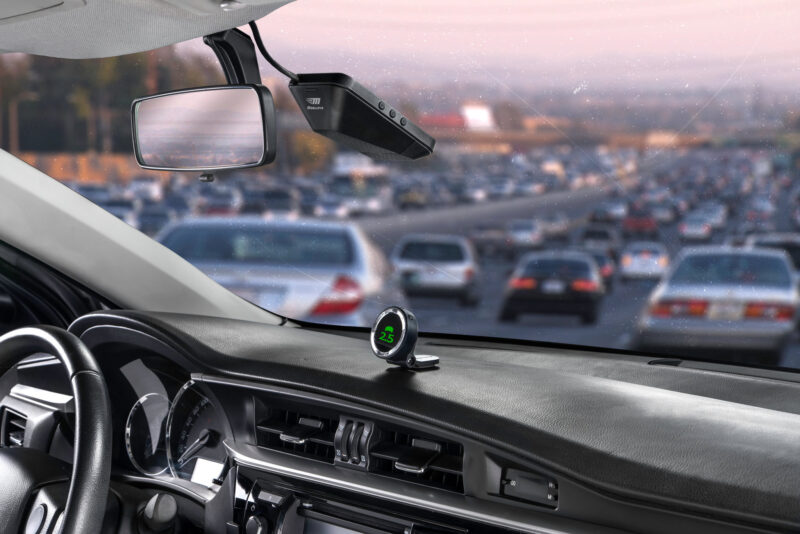

The role of technology in reducing frontal collisions.

According to a study conducted by the Insurance Institute for the safety of traffic on highways in the United States (IIHS) for prevention systems such as front collision warning of the front collision and braking (brake) automatic emergency to help drivers avoid a collision with the rear. Based on data collected by the US police, automatic braking systems in brake and frontal collision situations reduce crashes by 40 percent and 23 percent, respectively. David Zubi told the President of the Insurance Institute for the safety of traffic on the highway ( ( the IIHS “The success of frontal collision prevention represents a great progress towards safer roads,” he said, adding that the more common technology becomes, the fewer accidents that result from collisions. It also announced the National Administration for the safety of traffic on Highway Insurance Institute for the safety of traffic on the highway ( ( the IIHS his recent agreement with that car manufacturers have concluded to make the braking system (brake) on all automatic models..jpg "The role of technology in reducing frontal collisions. 5")
 The researchers studied police reports of rear-end collisions in 22 states between 2010 and 2014 that included Honda, Acura, Mercedes-Benz, Subaru, and Volvo vehicles equipped with frontal collision prevention systems. The crash rate was compared with cars of the same models that did not have frontal collision prevention. identified by their status level. Previous studies by the Highway Loss Data Institute ( HLDI ) have shown based on insurance claims to look for other factors that affect crash rates, such as using phones while driving or in the garage. As it has been the risk of injury analysis through the study of the Insurance Institute for the safety of traffic on the highway ( ( the IIHSIt was found that frontal collision prevention techniques have reduced the likelihood of motorists being hurt in a rear-end collision. The Front Emergency Brake and Forward Collision Warning reduced the risk of injury by 42 percent and 6 percent, respectively. On the other hand, collision warning has been integrated into Volvo’s safety systems to reduce the incidence of rear-end collision by 47 percent.
 Despite the increase in the level of safety provided by modern technology , such as warning of the front collision and automatic emergency braking , which, says the Insurance Institute for the safety of traffic on the highway ( ( the IIHS ” is still difficult to study the benefits of the features in the auto industry because it is an optional add – with other means For safety.” He also added, “It is possible to note some benefits such as the collision mitigation systems from the cruise control system. I found that Volvo city safety systems are most effective on roads with speed limits of 40-45 mph, and cars equipped with the system are less vulnerable to cars At speed limits of 35 miles per hour or less, the effectiveness of the safety system drops to 39 percent, while over 50 miles per hour the safety system drops to 25 percent.
There are no reviews yet. Be the first one to write one.